


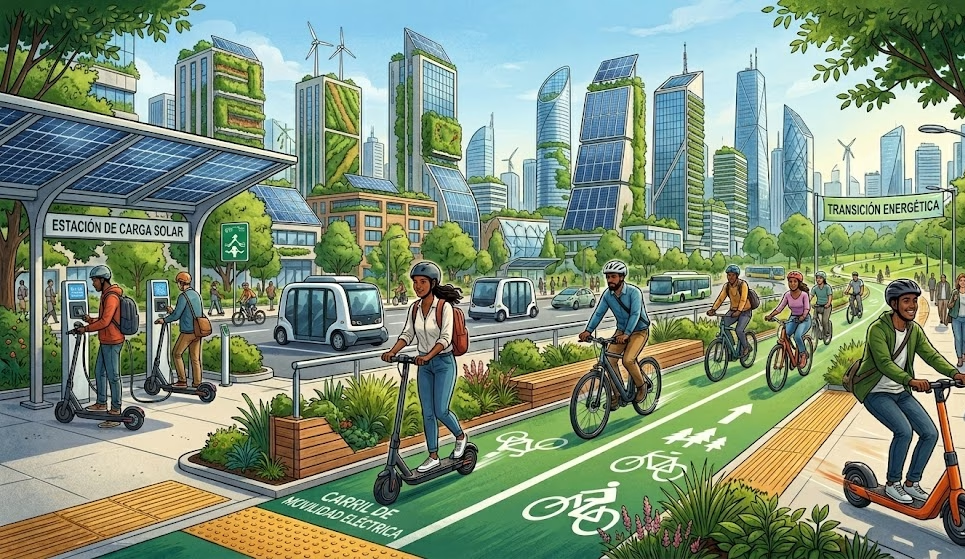
Electric scooters in the global energy transition have established themselves as a key solution for transforming urban mobility toward more sustainable, efficient, and less polluting models. In a global context marked by climate urgency, the reduction of carbon emissions, and the search for alternatives to transportation based on fossil fuels, these light vehicles represent a strategic tool within sustainable mobility, the decarbonization of transport, and smart cities.
Growing urbanization and traffic congestion have driven the need for more flexible and ecological transportation systems. In this scenario, electric scooters offer an option of electric micromobility capable of significantly reducing dependence on private automobiles, especially for short and medium-distance trips.
Electric scooters as a driver of sustainable mobility
One of the main benefits of electric scooters in the global energy transition is their ability to decrease greenhouse gas emissions. Unlike conventional vehicles, they operate through electrical energy, eliminating direct emissions during their use.
Additionally, their low energy consumption makes them a highly efficient alternative. The amount of electricity needed to travel several kilometers on an electric scooter is considerably lower than that required by electric cars or heavy public transportation, thus favoring better optimization of energy resources.
Among their advantages are:
- Reduction of carbon footprint
- Lower noise pollution
- Urban traffic decongestion
- Economic accessibility
- Promotion of intermodal transportation
These characteristics position electric scooters as an essential component in public policies aimed at the energy transition, the electrification of transport, and urban sustainability.
Economic and social impact of electric scooters
Electric scooters in the global energy transition also generate significant economic benefits. Their implementation reduces transportation costs for users and decreases investments needed in heavy road infrastructure.
The rise of shared rental companies has created new business models within the green economy, promoting jobs related to maintenance, technology, logistics, and clean energy.
Socially, these vehicles democratize access to ecological transportation options, especially in metropolitan areas where public transport may be insufficient or expensive. Likewise, they promote more responsible mobility habits among younger generations.
Challenges and obstacles for their global integration
Despite their advantages, electric scooters in the global energy transition face several challenges:
- Regulation of circulation and road safety
- Sustainable management of lithium batteries
- Adequate infrastructure for safe circulation
- Efficient integration with public transportation systems
The manufacturing and recycling of batteries remains a critical aspect. To maximize their positive environmental contribution, it is essential to advance toward more sustainable storage technologies and circular economy processes.
Likewise, governments must develop clear regulatory frameworks that balance innovation, safety, and sustainability.
Electric scooters and smart cities
In the development of smart cities, electric scooters in the global energy transition play a central role. Their integration with mobile applications, geolocation systems, and shared mobility platforms allows optimization of urban transportation.
Cities that invest in cycling infrastructure, exclusive lanes, and charging stations promote an ecosystem where light electric mobility can thrive safely and efficiently.
This approach directly contributes to objectives such as:
- Climate neutrality
- Reduction of energy consumption
- Improvement of air quality
- Greater urban efficiency
Future perspectives
The growth of the global electric scooter market reflects an irreversible trend toward cleaner forms of transportation. With advances in autonomy, sustainable materials, and connectivity, their role will continue expanding.
Electric scooters in the global energy transition not only represent a passing trend, but a structural transformation within the global transportation ecosystem. Their mass adoption can significantly accelerate international sustainability goals and the fight against climate change.
Conclusion
Electric scooters in the global energy transition are a fundamental piece in building a more sustainable future. Thanks to their energy efficiency, capacity to reduce emissions, and adaptation to modern urban environments, they position themselves as a strategic solution to face current environmental challenges.
Their success will depend on adequate public policies, continuous technological innovation, and intelligent integration within urban mobility systems. Ultimately, electric scooters represent much more than a means of transportation: they are a symbol of the shift toward a low-carbon economy and an energetically responsible society.
