



Electric scooter cleaning guide is an essential resource for maintaining the performance, safety, and durability of these urban vehicles. Proper maintenance not only improves the scooter’s appearance but also prevents premature wear of its components. Regular cleaning helps detect potential issues, optimize motor performance, and ensure a safer and more efficient riding experience.
Table of Contents
Importance of maintenance and cleaning
The electric scooter cleaning guide highlights the importance of keeping the vehicle in optimal condition to extend its lifespan. The accumulation of dust, mud, and debris can affect both mechanical parts and electronic components. In urban environments, where scooters are exposed to pollution, moisture, and dirt, regular cleaning becomes indispensable. Additionally, a clean scooter reduces the risk of corrosion and technical failures.
Preparation before cleaning
Before starting any procedure, the electric scooter cleaning guide recommends properly preparing the vehicle. It is essential to turn off the scooter and disconnect it from any power source. It is also advisable to remove the battery if possible or ensure that electrical areas are well protected. Using appropriate tools, such as microfiber cloths, soft brushes, and non-abrasive products, is key to avoiding surface damage.
Step-by-step cleaning process
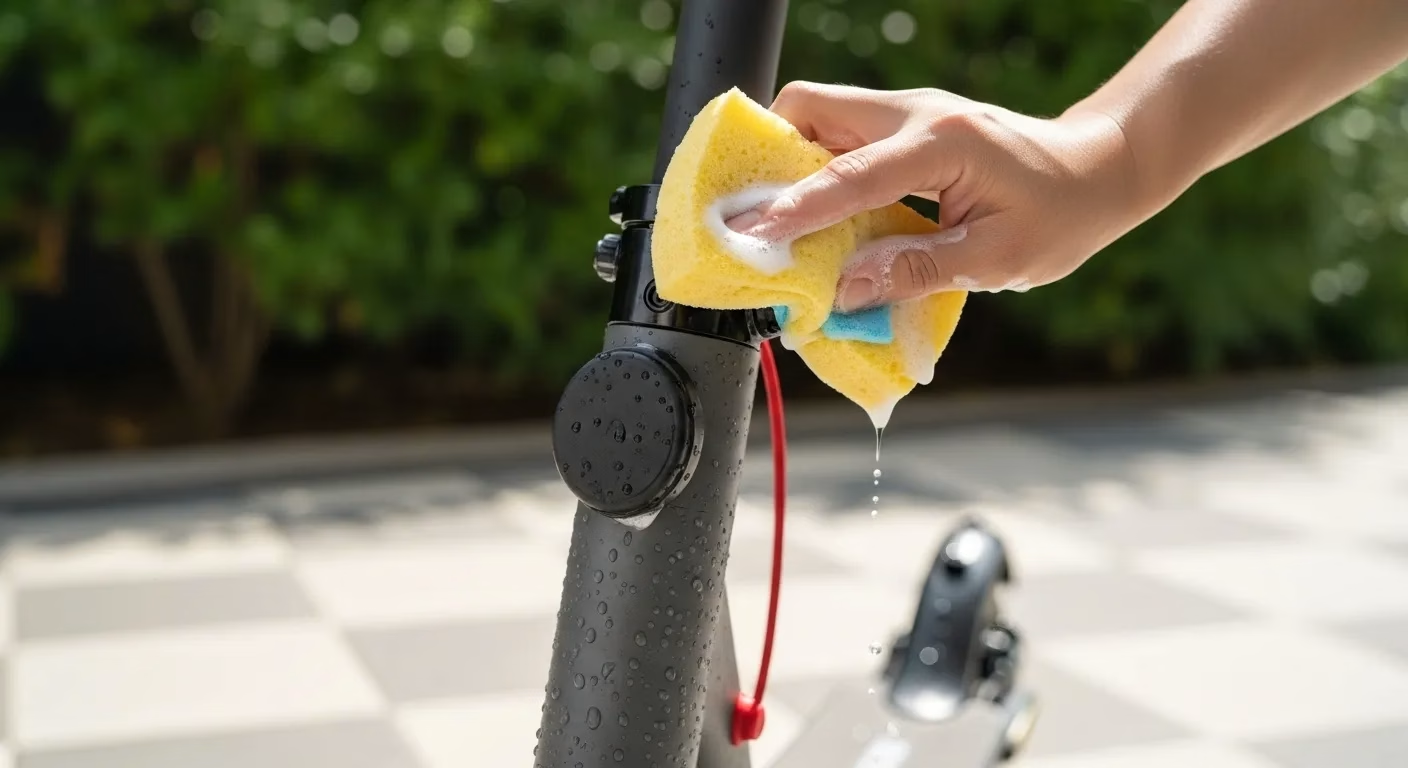
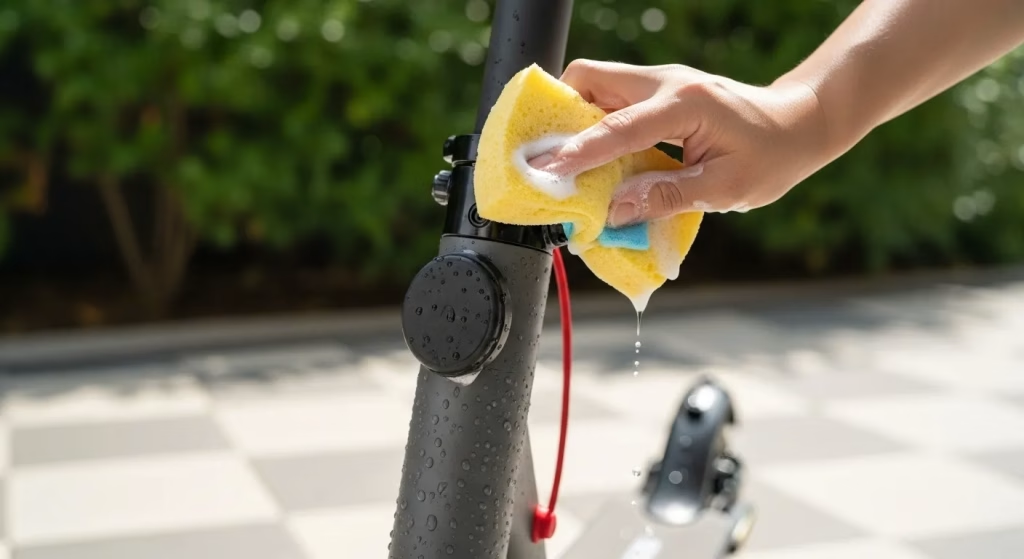
The electric scooter cleaning guide establishes a structured approach to ensure effective results. First, surface dust should be removed using a dry or slightly damp cloth. Next, the wheels and deck can be cleaned using water with mild soap, avoiding high-pressure water that could damage sensitive components. Metal parts should be dried immediately to prevent rust. Finally, the handlebar and display should be cleaned carefully, avoiding moisture entry.
Care of electrical components
One of the most critical aspects within the electric scooter cleaning guide is the protection of electrical systems. These components are sensitive to moisture, so direct contact with water should be avoided. If dirt is present in these areas, a dry or slightly damp cloth is recommended. Proper cleaning of connections and ports contributes to better performance and reduces the risk of electrical failures.
Recommended cleaning frequency
The electric scooter cleaning guide suggests adapting cleaning frequency based on usage and environmental conditions. For daily urban use, light cleaning is recommended weekly, while a deeper cleaning should be performed at least once a month. In rainy conditions or muddy terrains, cleaning should be more frequent to prevent residue buildup.
Recommended products and safe practices
Using appropriate products is fundamental in the electric scooter cleaning guide. Harsh detergents or chemicals that may damage materials should be avoided. Mild cleaners and products specifically designed for electric vehicles are the best option. It is also important to avoid submerging the scooter in water or using pressure washers, as this can compromise its integrity.
Benefits of proper cleaning
Applying the electric scooter cleaning guide correctly provides multiple benefits. Regular maintenance improves vehicle efficiency, extends the lifespan of components, and reduces repair costs. Additionally, a clean scooter enhances the overall user experience and reflects proper care.
Impact on safety and performance
The electric scooter cleaning guide is also directly related to safety. Dirt accumulation on brakes, wheels, or contact surfaces can affect stability and control. Keeping these areas clean ensures better grip and safer riding, especially in adverse conditions.
Conclusion
The electric scooter cleaning guide is a key tool for any user who wants to keep their vehicle in optimal condition. Through simple and consistent practices, it is possible to improve performance, increase durability, and ensure safety on every ride. Cleaning should not be considered a secondary task but an essential part of overall scooter maintenance.
