


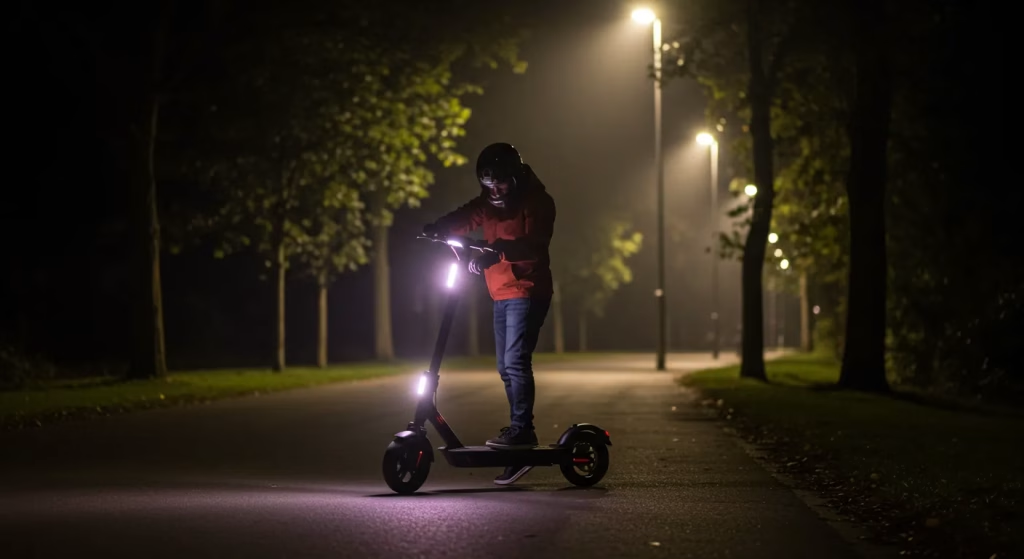
How to stay visible while riding a scooter at night is essential to ensure your safety in low-light conditions. Reduced visibility significantly increases the risk of accidents, especially in urban environments where cars, pedestrians, cyclists, and other vehicles share the same space. Night riding demands a higher level of awareness, preparation, and strategy. By combining proper lighting, reflective gear, and smart riding techniques, you can dramatically reduce risks and ride with greater confidence.
Table of Contents
Why Visibility Matters More at Night
Nighttime riding presents unique challenges that are not as prominent during the day. Human vision is naturally limited in darkness, and even experienced drivers may struggle to detect smaller vehicles like scooters. Factors such as glare from headlights, poorly lit roads, weather conditions, and visual fatigue all contribute to reduced reaction time.
Understanding how to stay visible while riding a scooter at night means recognizing that your safety depends not only on your ability to see—but also on how quickly others can notice you. Increased visibility gives drivers more time to react, which is often the difference between a safe ride and a collision.
Optimizing Your Scooter Lighting System
A well-equipped lighting system is your first line of defense. It ensures that you are visible from the front, rear, and sides.
Key lighting components include:
- Front Light: A bright white LED light helps illuminate your path and signals your presence to oncoming traffic
- Rear Light: A red light ensures that vehicles behind you can track your movement
- Brake Lights: These indicate when you are slowing down, improving communication with drivers
- Turn Signals: Useful for clearly indicating direction changes
Advanced riders often upgrade to high-lumen LED lights for better performance. You can also install under-deck lighting or wheel lights to improve side visibility, especially at intersections where many accidents occur.
The Role of Reflective Gear
Lighting alone is not enough. Reflective materials enhance your visibility by bouncing light back toward its source, making you stand out even from a distance.
Effective reflective gear includes:
- Reflective vests or jackets
- Arm and ankle bands
- Reflective decals on the scooter
- Helmets with reflective strips
One effective strategy is to place reflective elements on moving parts of your body, such as legs or arms. This motion catches drivers’ attention more effectively than static reflections.
Strategic Riding Techniques How to Stay Visible While Riding a Scooter at Night
Your riding behavior plays a critical role in maintaining visibility. Even with the best gear, poor positioning or unpredictable movement can reduce your safety.
1. Maintain a Visible Lane Position
Avoid hugging the extreme edge of the road. Instead, ride in a position where you are clearly within the driver’s line of sight.
2. Avoid Blind Spots
Large vehicles like buses and trucks have significant blind spots. Stay out of these areas whenever possible.
3. Ride Predictably
Sudden swerves or unpredictable actions make it harder for others to anticipate your movement. Smooth, consistent riding improves safety.
4. Use Defensive Riding Techniques
Assume that other drivers may not see you. Stay alert, scan your surroundings, and be prepared to react quickly.
Choosing the Right Routes
Route selection is a strategic decision that directly impacts your visibility and safety.
Safer routes typically include:
- Streets with strong street lighting
- Dedicated bike lanes
- Areas with moderate, controlled traffic
Avoid shortcuts through poorly lit alleys, isolated roads, or high-speed highways. Even if they seem faster, they often increase risk significantly.
Weather and Environmental Considerations
Environmental conditions can further reduce visibility and require additional precautions.
- Rain: Wet roads reflect light, which can distort visibility. Use brighter lights and reduce speed
- Fog: Visibility drops sharply; consider avoiding riding if conditions are severe
- Dust or Pollution: Can scatter light and reduce clarity
In such conditions, understanding how to stay visible while riding a scooter at night becomes even more critical.
Common Visibility Mistakes
Many riders unknowingly increase their risk by making avoidable mistakes:
- Relying on weak or low battery lights
- Wearing all-black clothing without reflective elements
- Forgetting to turn on lights
- Overestimating how visible they are
Correcting these mistakes can instantly improve your safety level.
Advanced Visibility Enhancements
For riders who frequently travel at night, additional upgrades can offer extra protection:
- Smart helmets with built-in LED indicators
- Bluetooth-controlled lighting systems
- Reflective spray or tape for custom visibility
- Action cameras with lights for dual functionality
These enhancements are especially useful for long-distance commuters or high-traffic environments.
Final Safety Checklist
Before every night ride, ensure:
- Lights are fully functional and charged
- Reflective gear is properly worn
- Route is planned and well-lit
- Weather conditions are safe
- You are mentally alert and focused
Conclusion
Mastering how to stay visible while riding a scooter at night is not just about equipment—it is about adopting a complete safety mindset. By combining effective lighting, reflective gear, smart route choices, and defensive riding techniques, you can significantly reduce risks. Night riding can be safe and efficient when approached with preparation, awareness, and discipline.
