


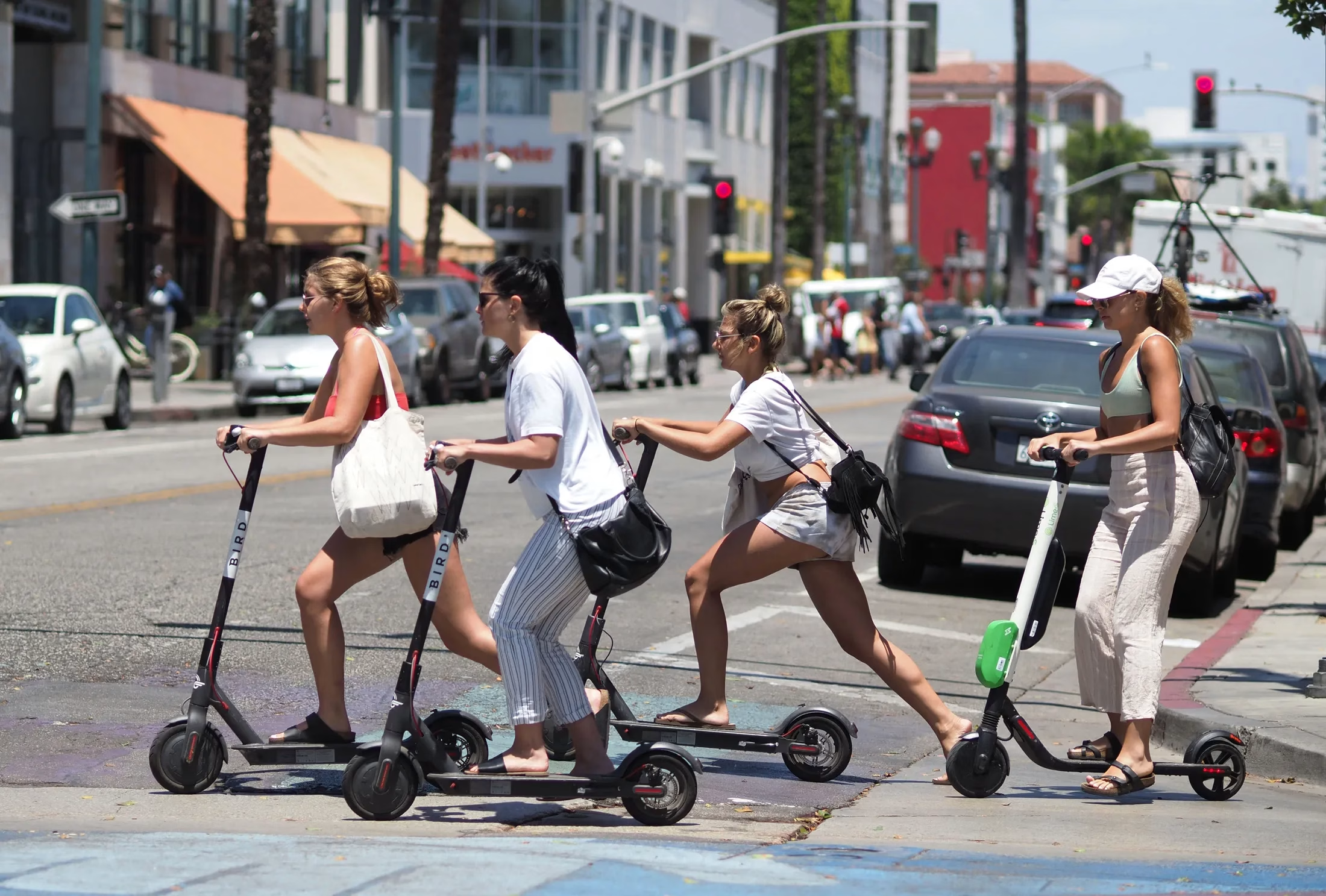

Why electric scooter rentals are the future of urban mobility has become a key question in the context of cities that are increasingly congested, polluted, and demanding sustainable solutions. In recent years, this transportation model has gained prominence thanks to its efficiency, low environmental impact, and ease of use. The combination of technology, the sharing economy, and sustainability positions electric scooters as a real alternative to traditional vehicles.
Table of Contents
The transformation of mobility in cities
Large cities face structural challenges such as excessive traffic, air pollution, and lack of space. In this context, sustainable urban mobility, electric micromobility, and eco-friendly transportation are concepts that are redefining how people move.
Electric scooter rentals respond directly to these problems by offering an agile, accessible, and efficient solution. Unlike cars, scooters take up less space, reduce travel time for short distances, and do not generate direct emissions.
Key advantages of electric scooter rentals
One of the main factors explaining why electric scooter rentals are the future of urban mobility is the number of benefits they offer:
- Environmental sustainability: They operate on electric energy, significantly reducing CO₂ emissions.
- Cost savings: They do not require fuel or expensive maintenance, making them accessible to a wide audience.
- Ease of use: They can be unlocked through mobile applications, eliminating the need for ownership.
- Traffic reduction: Being compact, they help decrease congestion in dense urban areas.
These factors drive their adoption by both individual users and public policies aimed at smart cities.
The role of technology in its growth
The rise of electric scooter rentals is closely linked to technological development. Mobile applications allow users to locate, unlock, and pay for scooters in seconds. Additionally, integration with smart city systems facilitates urban planning and traffic monitoring.
Shared mobility also plays a crucial role, as it optimizes resource use and reduces the need for private vehicles. This model is not only efficient but also scalable across different urban environments.
Impact on the urban economy
Another important aspect of why electric scooter rentals are the future of urban mobility is their economic impact. This model creates new business opportunities, from tech startups to maintenance and logistics services.
It also boosts urban tourism by offering a fast and accessible way to explore the city. Users can easily move between points of interest without relying on public transport or taxis.
Challenges and regulations
Despite their advantages, the growth of electric scooters also presents challenges. Road safety, proper parking, and regulation of use in public spaces are issues that cities must address.
Regulations are evolving to ensure a balance between innovation and safety. This includes speed limits, designated zones, and usage requirements such as helmets or licenses in some cases.
The future of urban mobility
The trend indicates that electric micromobility will continue to expand in the coming years. Integration with other modes of transport, such as metro and buses, will help create more efficient mobility ecosystems.
Why electric scooter rentals are the future of urban mobility is not just a statement, but a reality supported by data, innovation, and changes in consumer behavior. Cities that adopt this model will be better prepared to face future challenges.
Conclusion
In summary, why electric scooter rentals are the future of urban mobility lies in their ability to provide a sustainable, economical, and efficient solution to current urban problems. Their growth responds not only to a technological trend but also to an urgent need to transform how we move.
As infrastructure and regulations evolve, the role of electric scooters will become increasingly important in building smart, clean, and connected cities.
